Green Initiatives: How E-Waste Recycling Services Are Protecting Our Planet
Electronic waste presents serious dangers to the environment, as discarded electronics often contain toxic materials. These toxic materials have the potential to taint soil and water sources, leading to broader ecological damage. E-waste recycling services present a viable solution. They serve the dual purpose of reclaiming precious materials and reducing contamination. Gaining insight into how these programs function and affect local communities is critical. The journey towards effective e-waste management raises critical questions about individual responsibility and collective action. What actions should be considered going forward?
Why Electronic Waste Is Harmful to the Planet
Even though technology enriches our daily lives, e-waste poses considerable environmental hazards. Abandoned electronic gadgets, often containing hazardous materials such as mercury, lead, and cadmium, can leach toxins into the surrounding soil and water supply, presenting dangers to ecosystems and human health. The swift progression of technology results in greater consumer replacement of electronic devices, worsening the buildup of electronic waste.
Landfills, already overwhelmed with refuse, find it difficult to handle the increasing amounts of discarded devices. Incineration, a common waste management technique, emits dangerous pollutants into the environment, degrading atmospheric conditions. Furthermore, inadequate recycling methods can result in the shipment of electronic waste to underdeveloped nations, where workers may break down equipment without proper protective measures, putting themselves at risk of exposure to hazardous materials. This ongoing cycle of carelessness and inadequate management emphasizes the pressing necessity for responsible recycling initiatives that can lessen the harmful consequences of e-waste on our world.
What Is E-Waste and Why Does It Matter?
Electronic waste, commonly known as e-waste, comprises unwanted electronic equipment like televisions, computers, and smartphones that are no longer functional or needed. This rapidly expanding waste category is noteworthy due to its rapid accumulation, fueled by innovation in technology and shifting consumer habits. With an increasing number of devices reaching obsolescence, the toll on the environment grows more severe, with harmful substances like lead, mercury, and cadmium posing risks to ecosystems and human health.
The importance of addressing e-waste lies not only in mitigating these hazards but also in recognizing the valuable materials it contains. Valuable metals and rare earth materials can be extracted and repurposed, lessening the demand for mining and preserving natural resources. By understanding e-waste and its implications, individuals and organizations can make informed decisions about disposal and recycling, ultimately contributing to a more sustainable future. Responsible management of e-waste plays a key role in supporting a circular economy and championing environmental stewardship.
The Way E-Waste Recycling Functions
Recycling e-waste involves an organized procedure designed to recover valuable materials while minimizing environmental impact. To begin, e-waste is collected and transported to dedicated processing centers. After reaching the facility, the equipment is meticulously organized to distinguish harmful elements from reusable resources.
Subsequently, technicians break down the items, removing metals, plastics, and glass. This stage is crucial, as it makes possible the recovery of rare metals like silver, gold, and copper, which can be recycled in new electronics.
Next, the sorted materials are processed with cutting-edge techniques, such as mechanical shredding and chemical processing, to refine them for reuse.
Finally, the remaining dangerous materials are managed properly, complying with eco-friendly standards. This systematic method not only preserves valuable resources but also minimizes the Complete guide hazards associated with unsafe e-waste handling, securing a more eco-conscious future for electronic consumption.
Why E-Waste Recycling Matters for You and Your Community
Although it often goes unnoticed, the benefits of e-waste recycling go far beyond individual benefit and actively shape entire communities. By responsibly disposing of electronic waste, individuals contribute to a cleaner environment, minimizing hazardous materials that can contaminate soil and water. This responsible method helps preserve local ecosystems and advances public health.
Moreover, e-waste recycling fosters job creation within communities. Regional recycling centers frequently need staff for numerous tasks, covering everything from collection to processing, thus generating valuable job opportunities within the community. This not only boosts the local economy but also inspires community dedication to sustainable efforts.
Additionally, understanding of e-waste recycling has the potential to generate community outreach programs, enabling residents to pursue greener alternatives. By enrolling in e-waste recycling programs, individuals cultivate a culture of sustainability, encouraging others to do the same. In summary, the cumulative impact of these actions can contribute to a more resilient and environmentally responsible community.
How to Select an E-Waste Recycling Service
Selecting the best e-waste disposal service is vital for ensuring that electronic waste is managed in a responsible and sustainable manner. First, individuals should check the service's credentials, such as R2 and e-Stewards certifications, which indicate conformance to professional guidelines for secure waste disposal procedures. It's also important to examine the provider's standing by checking reviews and seeking advice from dependable sources.
Next, openness in the recycling process is crucial. A trustworthy service should provide clear information about the manner in which e-waste is managed and what becomes of the materials. Additionally, assessing the variety of services available can be advantageous; some companies may provide pickup services or offer incentives for recycling.
Finally, understanding local guidelines related to e-waste disposal can further guide the decision-making process. Through focusing on these key aspects, individuals can contribute to successful electronic waste reduction while also advancing environmentally responsible practices.
How You Can Take Part in E-Waste Recycling?
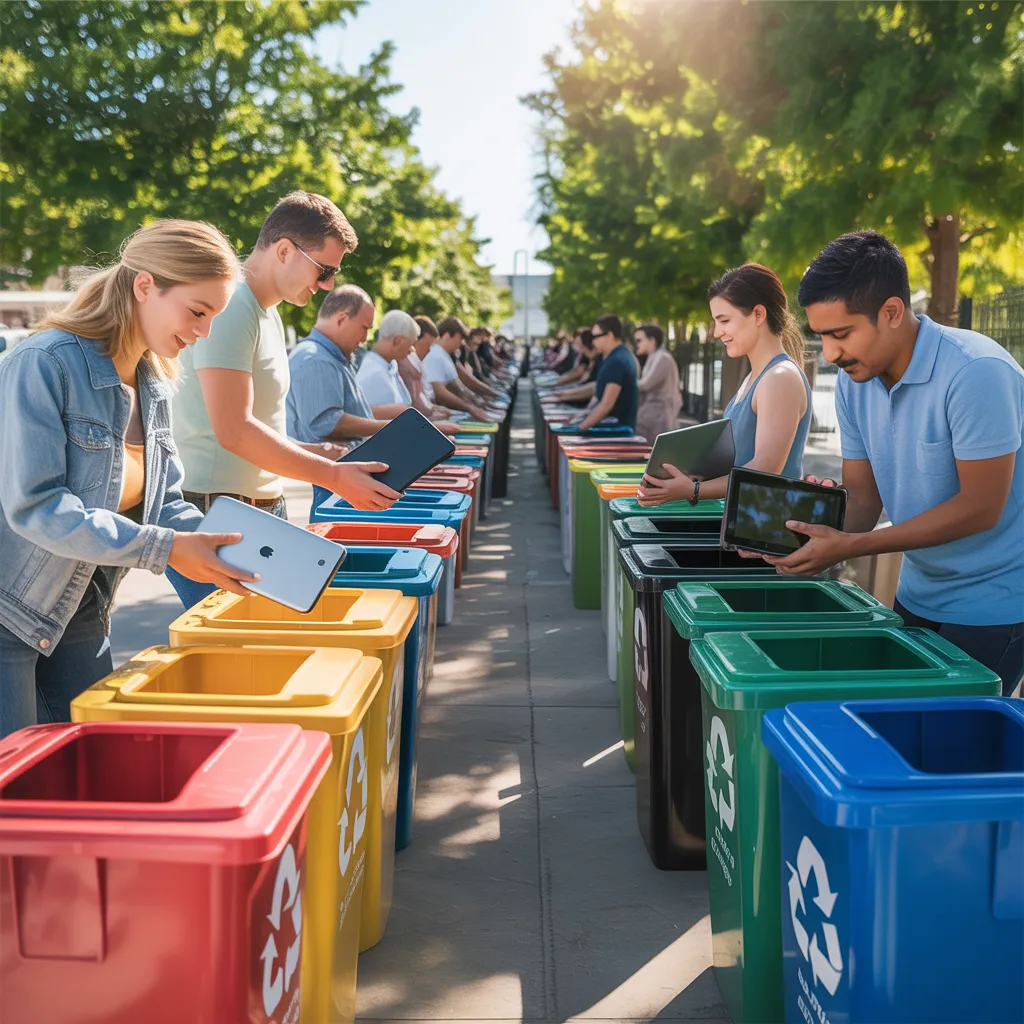
Engaging in e-waste recycling often starts at the local level, where community recycling hubs often provide essential services for safe disposal. Additionally, participating in community awareness campaigns can enhance efforts to educate others about the importance of ethical e-waste practices. Such efforts not only promote sustainability but also cultivate a collective sense of accountability for the environment.
Nearby Recycling Facilities
Numerous local recycling centers play an essential role in e-waste recycling, providing communities with accessible options to manage electronic waste appropriately. These centers accept a wide array of digital devices, including aging computers, cell phones, and television sets, ensuring that harmful materials are handled safely. The majority of facilities employ experienced team members who support individuals in understanding proper disposal practices, emphasizing the importance of recycling over landfilling. Additionally, various hubs coordinate drop-off events or designated collection days, making participation convenient for residents. By utilizing these local services, people help build a circular economy, lowering environmental harm and encouraging sustainable habits. Engaging with these centers allows communities to address e-waste pollution proactively.
Community Outreach Campaigns
Community groups, educational institutions, and companies can work together to organize events that support e-waste collection drives. Dedicated participants can take a leading part in spreading awareness, distributing educational materials, and engaging with the community. Through these collective efforts, local inhabitants gain greater awareness and encouragement to properly recycle their e-waste, ultimately contributing to a more sustainable future.
Common Questions and Answers
Which Types of Electronics Are Recyclable?
A wide range of electronics are able to be recycled, including computers, smartphones, televisions, laptops, gaming consoles, and printers. In addition, accessories such as keyboards, mice, and batteries are equally appropriate for recycling, contributing to efforts to conserve the environment.
Are There Any Costs Associated With E-Waste Recycling?
Indeed, e-waste disposal may involve charges, depending on the provider. Certain providers apply costs for pickup or handling, while some providers make services available at no charge, typically funded by the sale of reclaimed components.
How Do Businesses Gain From E-Waste Recycling?
Organizations can gain from e-waste recycling by minimizing disposal costs, strengthening their ecological standing, complying with regulations, recovering valuable materials, and potentially generating revenue through resale, thereby fostering a more environmentally responsible business approach.
What Becomes of Data on Recycled Devices?
Data on recycled devices is frequently irretrievably wiped or obliterated throughout the recycling process. This guarantees sensitive information stays protected, preventing unauthorized access while allowing resources to be recycled carefully and ethically in new products.
Are Broken Electronics Eligible for Recycling?
Yes, damaged electronics can be recycled. A wide range of collection points accept non-functioning devices, ensuring responsible disposal and extraction of valuable materials. Doing so helps lower harm to the environment while fostering eco-friendly recycling methods to control electronic waste efficiently.
Comments on “Choose Electronics Recycling Services for Secure Data Destruction”